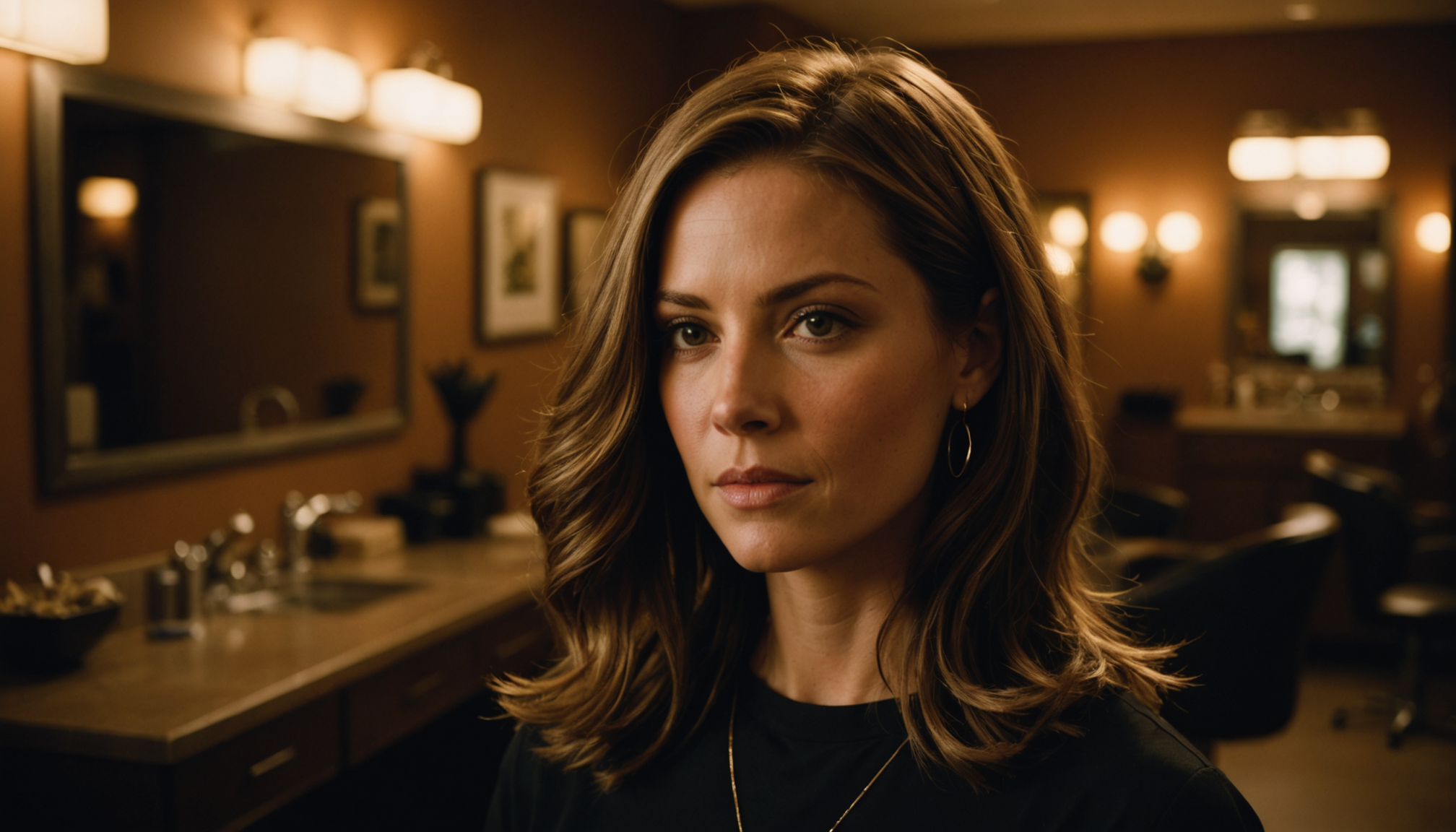
Keratin Treatment Scottsdale Salon: The Color-Timing Guide Every Highlighted Woman Needs
Most women who lose color vibrancy after a keratin treatment didn't pick the wrong formula — they booked in the wrong order. If you already have balayage or highlights, or you're about to add them, the sequence of these two services determines whether you keep both results or end up sacrificing one for the other.
TL;DR
- Schedule your keratin smoothing treatment at least two weeks after a fresh color service, never the same day or the day before.
- Formaldehyde-free keratin formulas are specifically safe for highlighted and balayage hair — older formulations are not.
- Before booking, ask your stylist three direct questions that confirm they understand color-keratin sequencing (listed below).
---
Why Keratin Treatment Timing Wrecks Scottsdale Color Jobs
Here's what actually happens when the timing is wrong: keratin treatments seal the hair cuticle — that's the whole point. But fresh color molecules need the cuticle to remain slightly open for roughly 72 hours after the appointment so they can oxidize and lock in. Apply a keratin treatment during that window and you're essentially heat-sealing half-processed color inside the shaft. The tones that emerge after washing often read brassy, flat, or uneven.
The reverse sequence causes its own damage. If you receive a keratin treatment first and then sit in a color chair the same week, the smooth, sealed cuticle resists color penetration. Your colorist has to either process longer — which stresses bleach-lightened strands — or accept a patchier result. Neither is acceptable when you've invested $180–$350 in a balayage service.
Scottsdale's dry desert climate makes this even more acute. Low humidity in 2026 means hair already leans toward frizz and moisture loss. Women here are juggling color refresh appointments every 8–12 weeks and keratin maintenance every 3–5 months. When those cycles overlap carelessly, something always loses. The thing that loses is usually the color you paid the most to get right.
Understanding how custom balayage is actually formulated helps you recognize exactly why protecting that investment matters — and why a rushed keratin appointment can undo hours of precise toning work.
---
The Correct Service Sequence Most Salons Skip
The rule is straightforward, but salons that run a high volume of same-day appointments frequently ignore it in favor of convenience.
The correct order:
1. Balayage, highlights, or any color service — always first.
2. Wait a minimum of two weeks. This allows color molecules to fully oxidize and the cuticle to settle into its natural state. For color-correction cases, wait four weeks minimum.
3. Keratin smoothing treatment — second, on a separate visit.
After the keratin treatment, hold off on any color refresh for another two weeks. That gives the keratin time to bond fully before you introduce alkaline color chemistry.
What "Same-Day Color and Keratin" Actually Costs You
Some salons in Scottsdale advertise combined same-day services as a time-saving convenience. The practical result is that either the color developer is rushed to compress the timeline, or the keratin solution is applied before the color has fully processed. In real terms, a toner that should hold for six weeks may fade in three. A balayage that cost $250 looks dull at week four. That's not a math problem you want to solve with a color correction appointment that runs $400–$800 — it's one you prevent with correct sequencing from the start.
---
How Formaldehyde-Free Keratin Protects Color Longevity
Not all keratin formulas behave the same way on highlighted hair, and this distinction is where most women's research stops too early.
Traditional Brazilian blowout formulas released before roughly 2018 relied on formaldehyde or formaldehyde-releasing agents like methylene glycol. These compounds cross-link the keratin proteins in hair under heat — effective for smoothing, but deeply stripping on bleached or lifted strands. On balayage hair, which has varying levels of porosity across a single strand, those older formulas could pull pigment unevenly, leaving lighter sections with a yellowish or straw-like cast.
Formaldehyde-free keratin treatments — the standard at any rigorous salon in 2026 — use alternative bonding agents (typically glyoxylic acid or amino acid complexes) that smooth without the aggressive chemical disruption. The key differences for highlighted hair:
- Less cuticle disruption: The formula bonds without forcing the cuticle open, which means existing toner and gloss molecules stay intact.
- Lower processing heat: Most formaldehyde-free treatments activate between 380°F–410°F rather than 450°F+, which is meaningful for bleach-lightened ends that are already prone to heat stress.
- More even smoothing across porous sections: Highlighted hair has inconsistent porosity; gentler bonding agents distribute more predictably across those uneven zones.
At Luxe Hair Studio, we use exclusively cruelty-free, formaldehyde-free keratin formulas. Every one of our six stylists — trained at Vidal Sassoon and Aveda institutes — performs a porosity assessment before any smoothing treatment on color-treated hair. That step takes about five minutes and changes the entire outcome.
---
Keratin Treatment Scottsdale Salon: What to Confirm Before Booking
Walk into any keratin treatment scottsdale salon appointment with these three questions. The answers tell you immediately whether the team understands color chemistry or is just running volume.
Question 1: "Is your keratin formula formaldehyde-free, and which one do you use?"
A stylist who knows their products answers this immediately by name. A vague response ("we use a professional-grade formula") is a red flag. You want a product name you can look up.
Question 2: "How long after my last color service do you recommend waiting before a keratin treatment?"
The correct answer is a minimum of two weeks. If the response is "you can do both same-day" or "a few days is fine," that stylist is prioritizing scheduling efficiency over your color result.
Question 3: "Do you adjust your technique for highlighted or balayage hair specifically?"
The ideal answer references porosity testing, sectioning adjustments for varied lift levels, or heat customization for lightened ends. These aren't advanced concepts — they're baseline competency for any stylist handling color-treated hair in 2026. If the answer is blank or generic, keep looking.
These questions also apply if you're weighing other services. If you're considering hand-tied extensions alongside a keratin treatment, what your extensions stylist needs to know about your color follows the same logic — the services interact, and the team needs to be coordinating, not working in silos.
---
Maintaining Smooth, Vibrant Hair Between Appointments
Getting the sequence right at the salon is step one. Keeping both results intact between visits requires a specific home routine.
Shampoo: Switch to a sulfate-free formula immediately after a keratin treatment. Sulfates are the number-one reason keratin results fade at week three instead of week twelve. They're also stripping on toner and gloss. One product change extends both results simultaneously.
Water temperature: Rinse with cool or lukewarm water. Hot water lifts the cuticle — the exact thing a keratin treatment works to close. This is especially relevant in Scottsdale, where high mineral content in tap water already taxes color-treated hair.
Heat styling: You can absolutely blow-dry and flat iron after a keratin treatment — that's the point. But use a heat protectant rated for 400°F+ on bleach-lightened sections, and keep the iron moving. Dwelling on highlighted ends at high heat is how you introduce breakage and color banding.
Timing your next color refresh: With a properly applied formaldehyde-free keratin treatment, your balayage or highlights are visible and vibrant for longer — often an extra two to three weeks before toning is needed. Track that. If your color is consistently fading faster than 8 weeks, something in the product regimen or the original formula is off.
Gloss and toning appointments: A toning gloss sits on the cuticle rather than penetrating it, which means it's fully compatible with a sealed keratin-treated strand. A gloss refresh at week six — between major color appointments — is the most efficient way to maintain vibrancy without a full color session. Ask your stylist if they offer this as a standalone 30-minute service.
Between keratin treatments, scalp health matters more than most women realize. A clean, balanced scalp extends both color and smoothing results by preventing the product buildup and excess oil that accelerate wash frequency — and every extra wash is another round of cuticle exposure.
---
Book your keratin smoothing treatment at Luxe Hair Studio with the right timeline in place. Schedule a complimentary color consultation at luxehairscottsdale.com/contact — tell us where you are in your color cycle and we'll build a service sequence that protects your balayage and delivers the smoothness Scottsdale's climate demands. Named Best Salon in Scottsdale two years running, our team of Vidal Sassoon and Aveda-trained stylists will map out your next three appointments in one conversation.
<<>>