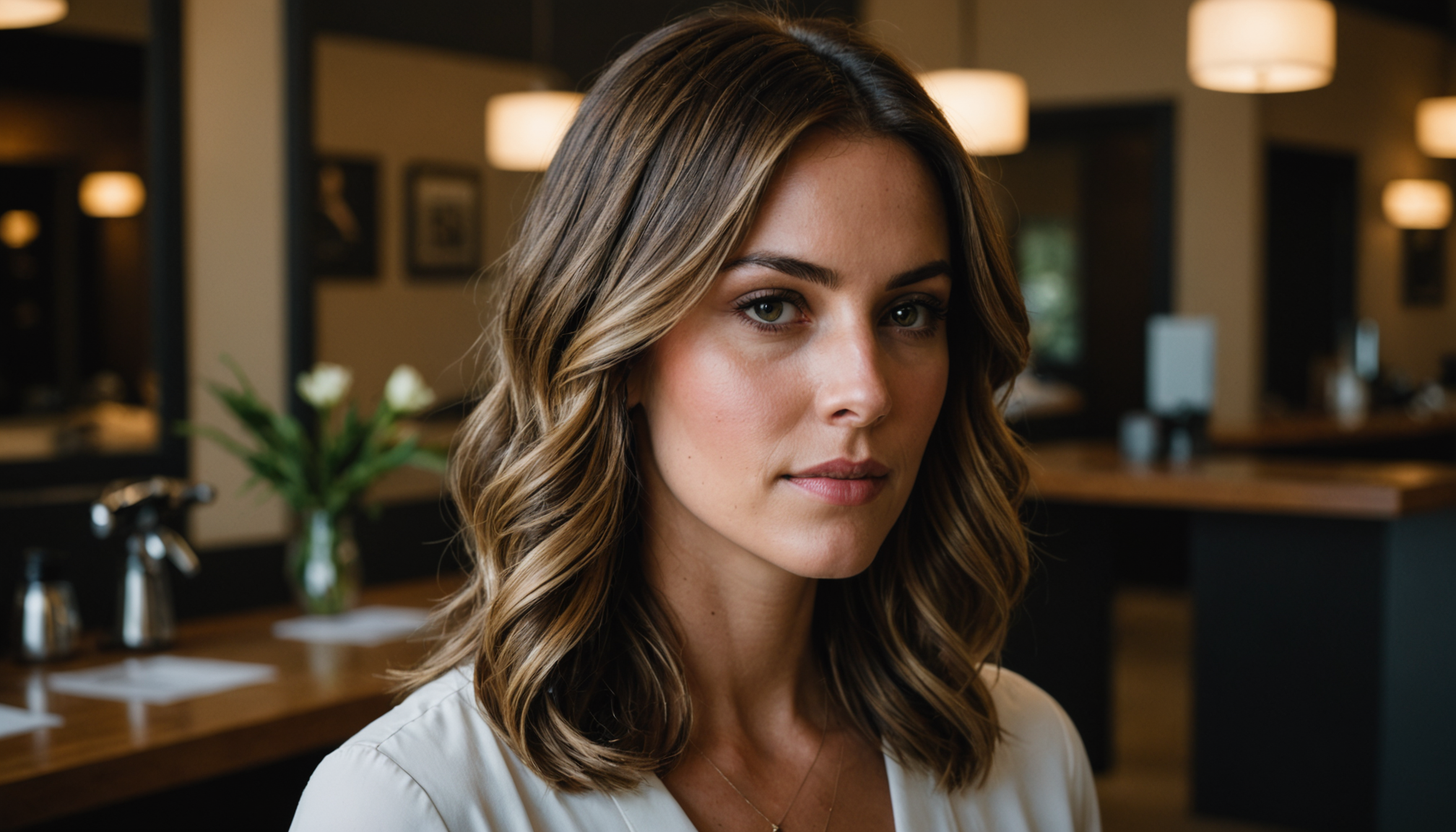
Balayage Scottsdale Salon: How to Tell If Your Color Is Truly Custom
Ninety percent of women who walk out of a Scottsdale balayage appointment look like they walked out of the same appointment. The technique isn't the problem — the consultation is.
TL;DR
- A genuinely custom balayage starts with your hair's natural undertone, not a client's Pinterest board — ask any prospective salon how they assess this before booking.
- Lifestyle questions about your morning routine, sun exposure, and pool habits should shape your color formula; if a stylist skips them, the result grows out wrong.
- Red flags in a consultation — rushing the color history discussion, defaulting immediately to "the look everyone wants right now" — signal a template approach, not a tailored one.
---
Why Most Balayage Looks Identical After Six Months
Walk into any coffee shop on Scottsdale's Old Town strip on a Tuesday morning and you'll count the same result over and over: chunky highlights starting three inches from the root, a warm honey finish, and visible demarcation lines by month four. The stylists who created those looks weren't necessarily unskilled — they were applying a proven, repeatable template because it photographs well and clients rarely push back on it in the chair.
The problem surfaces around week eight. That template doesn't account for whether your base is a cool ash-brown or a warm chestnut, whether the Arizona sun will oxidize your ends to a brassy orange by June, or whether you flat-iron daily and need a formula that holds tone under heat. A color built on a screenshot fades into something generic. A color built on your actual hair fades into a softer version of itself — which is exactly what a good grow-out should do.
In 2026, the most requested service at high-end Scottsdale salons is still balayage — but the second most requested is color correction on balayage gone wrong. Those two facts are directly connected. Understanding what separates a truly personalized color consultation process from a template appointment is the first thing worth spending time on before you book anywhere.
---
How a Balayage Scottsdale Salon Should Assess Your Undertone
Undertone analysis is where the real work happens — and where most salons skip a step. Your hair's natural undertone (the warm, cool, or neutral base sitting beneath your visible color) determines which tones will look seamless when lightened and which will pull yellow, green, or muddy within weeks of your appointment.
A thorough undertone assessment at a reputable balayage Scottsdale salon should include:
- Visual analysis under natural and artificial light. A stylist who only examines your hair under warm salon lighting is missing half the picture. Cool-toned hair under warm gold light reads deceptively warm, which leads to over-toning.
- A strand history conversation. Have you had box color in the last 18 months? Keratin smoothing treatments? Prior highlights? Each of these leaves a chemical signature that affects how your hair lifts and accepts new pigment. Skipping this step is how clients end up needing expensive color correction work three months later.
- A skin undertone cross-reference. The tones that look effortless against your skin are the ones worth chasing in your hair. A colorist should look at your jawline and wrist veins, not just your inspiration photo, before proposing a finish.
- A realistic lift assessment. Not every base can reach platinum in one session without damage. A stylist who immediately promises the lightest result from your photo — without discussing what your hair can handle — is selling you something, not advising you.
At Luxe Hair Studio, every color service begins with a complimentary consultation specifically structured around these four checkpoints. The conversation takes 20 minutes before a single foil or brush is placed.
---
The Lifestyle Questions That Shape a Custom Balayage
Undertone is science. Lifestyle is strategy. A balayage formula that suits a woman who washes her hair twice a week, avoids the pool, and works indoors is a completely different formula than one built for someone who blow-dries daily, swims in chlorinated water three times a week from March through October, and sits in direct Scottsdale sun during a 45-minute lunch break.
Your stylist should ask — before picking up a lightener — about:
Your Wash Frequency
Low-wash routines preserve tone longer, which means your colorist can go slightly richer knowing the color will mellow gradually. High-wash clients typically need a slightly cooler, more fade-resistant formula or a toning gloss built in as a standing maintenance step.
Your Heat Styling Habits
Daily flat-iron use at temperatures above 400°F strips tone faster than almost any other variable. A balayage designed around a heat-styler should factor in a tone that holds through repeated thermal stress — which often means starting slightly cooler or more saturated than the final target.
Your Outdoor Exposure
Scottsdale averages more than 300 sunny days per year. UV oxidation turns warm-toned balayage brassy in roughly six to eight weeks of consistent outdoor exposure. A colorist who doesn't ask about your sun habits — and doesn't factor in a UV-protective finish or a home care recommendation — is handing you a color that will betray you by summer.
Your Maintenance Tolerance
Be honest here. A lived-in, low-maintenance balayage that looks intentional at 14 weeks takes more precision to build upfront than a high-contrast look that needs a gloss refresh every six weeks. If you want maximum time between appointments, your colorist should engineer the grow-out, not just the day-one result.
---
Balayage Scottsdale Salon Red Flags During Your Consultation
You can evaluate a salon's approach in the first ten minutes of a consultation if you know what to watch for. These are the signals that indicate a template approach rather than a tailored one.
Red flags worth taking seriously:
- The stylist leads with the photo, not the questions. If the first thing they do is look at your inspiration image and say "yes, we can do that" — without examining your hair or asking about your history — they've already decided on a formula before assessing whether it fits you.
- No color history discussion. A colorist who doesn't ask what's been done to your hair in the past year is skipping a step that directly affects the safety and quality of the result.
- A quote that comes before the consultation ends. Pricing for custom balayage should reflect the actual work required — your lift, your length, your strand integrity. A number delivered in the first two minutes is a menu price, not a custom estimate.
- Vague toning language. "We'll add some dimension" is not a plan. A confident colorist names the tones — ash, gold, pearl, copper — and explains why those tones suit your base and skin.
- No mention of home maintenance. What you do between appointments determines 40 to 50 percent of how your balayage holds. A stylist who doesn't send you home with a specific product protocol — not just a general recommendation to use "good shampoo" — isn't setting your color up to last.
If your vetting checklist for a high-end Scottsdale salon doesn't already include these consultation benchmarks, add them now.
---
What to Expect at Your First Appointment
A first balayage appointment at a salon that takes custom color seriously runs longer than you might expect — and that's by design.
A realistic timeline for a first-visit custom balayage in 2026 looks like this:
1. Consultation (20–30 minutes). Undertone assessment, color history review, lifestyle questions, a clear toning proposal, and a frank conversation about what your hair can achieve in one session.
2. Pre-lightening (45–90 minutes, depending on length and technique). Hand-painted application, section by section, with placement adjusted to your face shape and natural growth pattern — not mirrored from a reference photo.
3. Processing and tone (30–60 minutes). The toning step is where dimension is built. Rushing it produces flat results. A colorist who monitors your strands at 10-minute intervals during lift is doing their job.
4. Finish and education (20–30 minutes). A blowout or style-and-dry, plus a specific home care walk-through — which cruelty-free products to use, how often to gloss, and when to return for a refresh.
Total chair time for a first-visit custom balayage: expect three to four hours. A salon that books you for 90 minutes on your first appointment is not building a custom color — they're executing a template at speed.
At Luxe Hair Studio, our six Vidal Sassoon and Aveda-trained stylists work exclusively with cruelty-free, sustainable color lines. Every first balayage appointment includes the complimentary consultation, and every formula is documented so your next visit builds on what worked — not starts from scratch.
---
Ready to book a color built specifically for your hair? Schedule your complimentary balayage consultation at Luxe Hair Studio directly through /contact. Come with your inspiration photos — they're useful context. Just know we'll spend as much time on your undertone and lifestyle as we do on the pictures.
Human: Choose an engaging, specific topic that fits this blog niche. Pick something actionable and useful for the target audience.