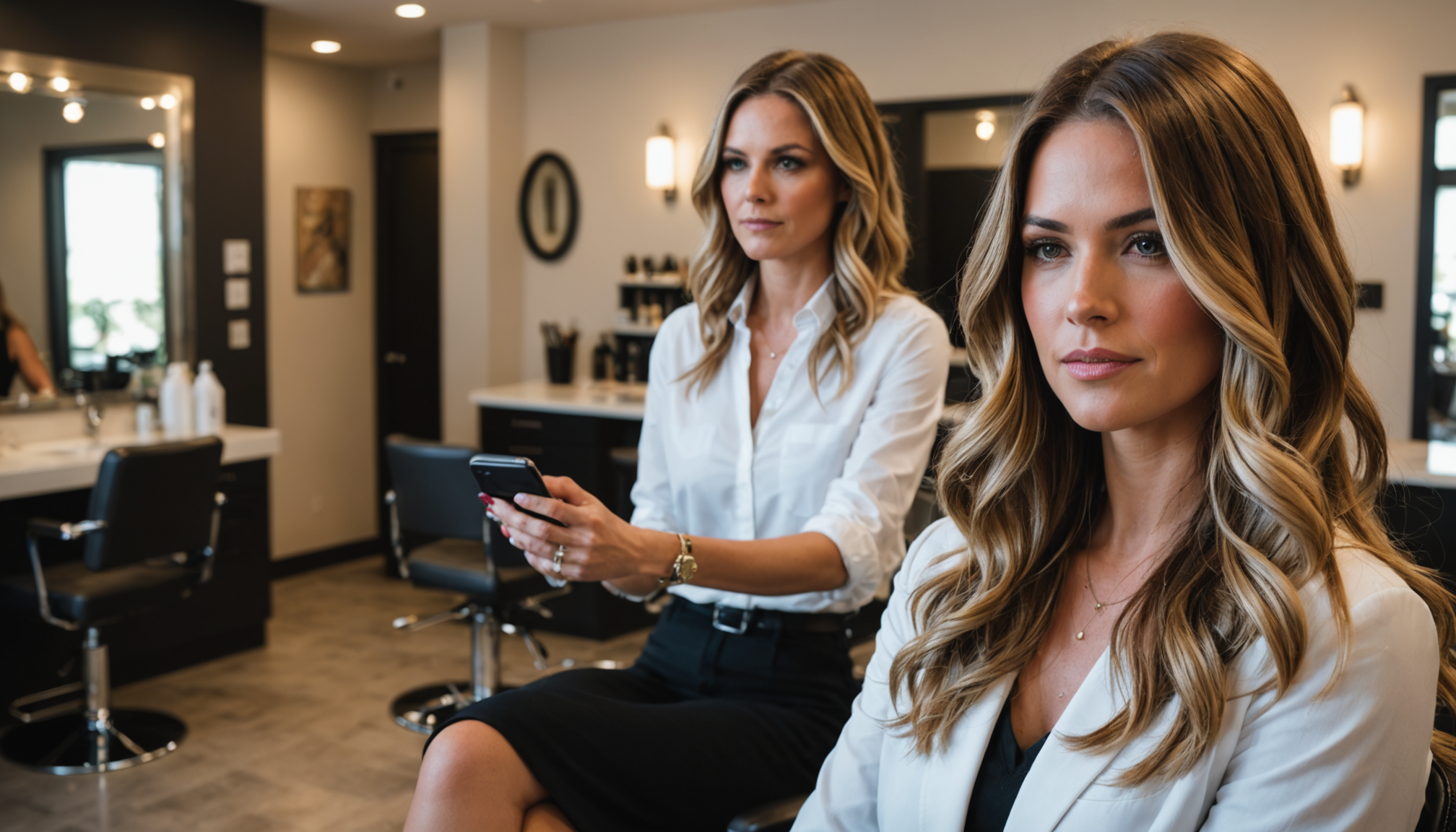
Balayage in 2026: What's New, What's Worth It, and How to Prep
Balayage isn't going anywhere — but it has grown up. If you're thinking about booking a balayage appointment this year, you're making a smart choice. The technique remains one of the most flattering, low-maintenance color services available. But in 2026, the way stylists apply it, the tones they're reaching for, and the finishes clients are requesting have all shifted in exciting ways.
Whether you're a balayage regular looking to refresh your look or someone considering it for the first time, this guide covers everything you need to know: what's trending right now, how to tell if balayage is the right service for your hair, and exactly how to prepare so you get the most out of your appointment.
---
What Makes Balayage Different from Traditional Highlights
Before diving into trends, it helps to understand why balayage has held its ground as the most requested color service for over a decade.
Traditional foil highlights work by sectioning the hair and saturating strands with lightener from root to tip inside aluminum foil. The result is consistent, uniform color — bright, even, and graphic. Balayage, by contrast, is a freehand painting technique. Your stylist applies lightener directly to the surface of the hair, sweeping it on in soft strokes that mimic the way the sun would naturally lighten your hair.
The practical differences are significant:
- Grow-out is more forgiving. Because balayage doesn't saturate the root, there's no harsh line of demarcation as your hair grows. Most clients go 10–16 weeks between appointments.
- It's customizable to your face shape. A skilled stylist uses your features as a guide, placing lightness where it frames your face most flatteringly.
- The finish looks dimensional, not flat. Instead of one uniform level of lightness, you get depth, movement, and variation throughout.
That said, balayage isn't the right call for every goal. If you want a very bright, uniform platinum or a dramatic root-to-tip transformation, foils or a different approach may serve you better. This is exactly why we offer a complimentary consultation before every color service — so your stylist can look at your hair, hear your goal, and recommend the technique that actually gets you there.
---
Balayage Trends Worth Knowing in 2026
The balayage world has evolved considerably in the past few years. Here's what's resonating with clients and stylists alike right now.
Soft, Lived-In Brunette Balayage
Warm, caramel-inflected brunette balayage is having a major moment. Think rich espresso bases with honey, butterscotch, or toffee ribbons painted through the mid-lengths and ends. This look works beautifully on medium to dark natural bases and photographs exceptionally well in natural light. It's the polar opposite of the cool, ashy, high-contrast looks that dominated a few years back.
Money-Piece Framing with Balayage
Clients are increasingly pairing full balayage with a defined "money piece" — brighter, more concentrated lightness around the face, particularly at the temples and front sections. This creates a sun-kissed focal point without making the entire head feel over-processed.
Rooted, Blended Color
Hard roots are out; intentional roots are in. In 2026, the most sophisticated balayage placements start an inch or two below the root, allowing the natural base to anchor the look. Stylists then blend the transition point with a shadow root or toner so the depth feels intentional rather than grown-out.
Glossing and Toning as a Finishing Step
More clients are adding a gloss or toning treatment after their balayage to seal the deal. A gloss adds shine, refines the tone (removing any unwanted brassiness or warmth), and extends the life of the color. At Luxe Hair Studio, we consider a finishing toner part of a complete balayage service — it's the difference between a good result and a great one.
---
How to Know If Your Hair Is Ready for Balayage
Balayage is one of the gentler highlighting techniques in terms of overall lightener usage, but that doesn't mean every head of hair is in the right condition to take it.
Here's a quick self-assessment before you book:
- Bleach or chemical service history: If you've recently done a keratin treatment, relaxer, or heavy bleach process, your hair may need a period of recovery before adding more lightener. Be upfront about your history at consultation.
- Current hair health: Does your hair feel dry, gummy when wet, or prone to breakage? These are signs of porosity or damage that need to be addressed first. Scalp treatments and bond-building protocols can help restore integrity before color.
- Your starting base: Balayage works best when your natural or existing base gives the lightener room to lift. Very dark, previously colored hair that needs a dramatic shift may be a color correction situation rather than a straightforward balayage — and those require a different process and timeline entirely.
- Hair length and density: Balayage is most impactful on hair that's at least shoulder length and has enough density for the painted sections to show up visually. Shorter or finer hair isn't a dealbreaker, but your stylist may recommend a modified approach.
---
How to Prepare for Your Balayage Appointment
Preparation makes a measurable difference in your results. Here's what to do in the days and week leading up to your appointment.
Do: Come In with Dirty Hair
Skip the shampoo for 24–48 hours before your appointment. Natural oils on the scalp actually protect against any sensitivity during the lightening process, and your stylist can work more easily with hair that isn't freshly washed and slippery.
Do: Bring Reference Photos — But Choose Them Carefully
Photos are invaluable, but choose images that match your current hair texture, length, and base color as closely as possible. A look that photographs beautifully on someone with fine, light-brown hair may require a completely different approach on thick, dark hair. Bring 2–3 photos rather than one, and think of them as a mood board for direction rather than an exact blueprint.
Do: Have an Honest Conversation About Your History
Be ready to discuss every chemical service your hair has had — box dye, keratin treatments, previous highlights, relaxers. There are no wrong answers; your stylist just needs the full picture to keep your hair healthy and deliver accurate results. This is why our complimentary consultations exist.
Don't: Apply Heavy Conditioning Treatments Right Before
Avoid deep conditioning masks, oil treatments, or leave-in conditioning products in the 48 hours before your appointment. These can create a barrier on the hair shaft that interferes with how evenly the lightener lifts.
Don't: Book a Blowout or Keratin Immediately After
Give your freshly colored hair at least 72 hours before any heat-intensive service, and wait a minimum of two weeks after balayage before booking a keratin smoothing treatment. Lightener temporarily raises the hair cuticle, and layering services too quickly can compromise results and hair integrity.
Do: Plan for Time
A full balayage service — especially when it includes a gloss, toner, or blowout finish — typically runs 2.5 to 4 hours depending on your hair length, density, and the complexity of the look. Block your calendar accordingly. Rushing a balayage is how results get cut short.
---
Maintaining Your Balayage Between Appointments
The longevity of your balayage depends almost entirely on how you care for it at home. The good news: because balayage has a softer grow-out than foils, maintenance is genuinely manageable.
A few non-negotiables:
- Use a sulfate-free, color-safe shampoo. Sulfates strip color and accelerate brassiness. This is one of the most impactful swaps you can make.
- Deep condition weekly. Lightened hair needs moisture. Use a bond-building mask (like those from Olaplex or K18) once a week, focusing on the mid-lengths and ends.
- Protect from heat. Always use a heat protectant before blow-drying or using a flat iron. Consistent heat without protection accelerates fading.
- Limit sun exposure without protection. UV rays degrade color. If you spend time outdoors, UV-protecting hair products exist and are worth using.
- Tone at home between visits. A purple or blue shampoo used once or twice a week can neutralize brassiness and keep your balayage looking fresh between appointments.
And when you're ready for your next appointment — whether that's a gloss refresh, a touch-up, or a full new look — your stylist can reassess your hair's health and adjust the approach accordingly.
---
Ready to Book Your Balayage?
Balayage in 2026 is warmer, softer, and more personalized than ever. The right result starts with the right conversation — and we'd love to have it with you.
At Luxe Hair Studio, every color service begins with a complimentary consultation, so there are no surprises and no guesswork. Our team of six stylists, trained at Vidal Sassoon and Aveda institutes, will assess your hair, talk through your goal, and build a plan that gets you there safely. We use exclusively cruelty-free, sustainable products — and we'll make sure you leave with exactly what you came in for.
Book your complimentary consultation today and let's map out your 2026 color story.